
Establish the job demands
The employer and PCP provider identify the essential physical demands or applicable job level before testing.
How Physical Capacity Profile testing works
A standardized testing process records physical ability, organizes the results and gives the employer a report that can be reviewed alongside the job.
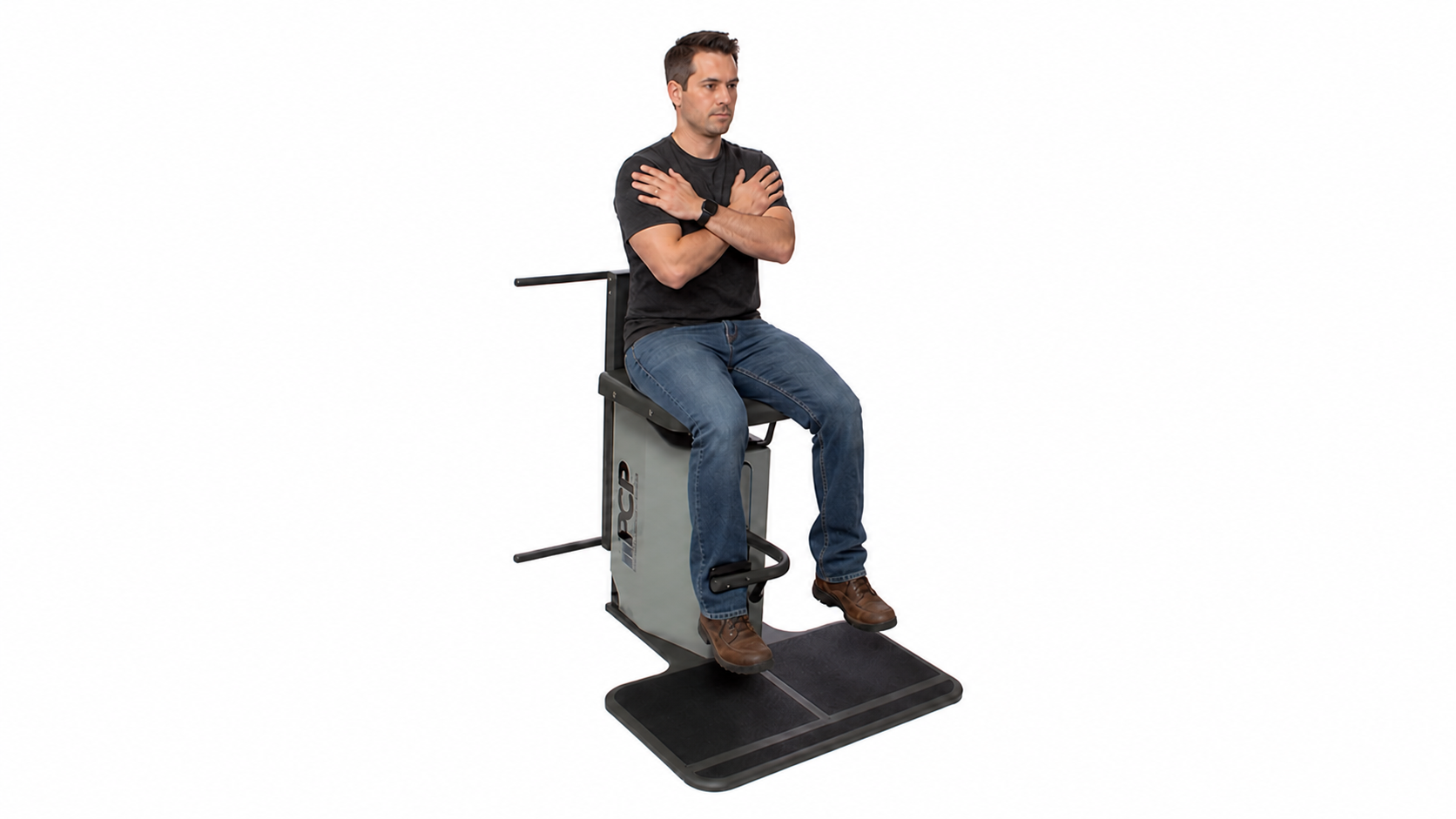
One connected process
The employer and PCP provider identify the essential physical demands or applicable job level before testing.
An authorized administrator records 23 strength, movement, lifting and physiological measurements in about 20 minutes.
The completed measurements are organized into a three-page report with results and physical ability classifications.
The employer’s HR and, when appropriate, treating team review the report for placement or reentry to the workforce.
During the test
An authorized administrator guides the participant while the testing system records strength, movement, lifting ability and physiological readings.


Grip right and left, plus pinch right and left.
Elbow flexion, shoulder flexion and knee extension on the right and left.
T12 range of motion, sacral range of motion and true lumbar flexion.
Torso lift, leg lift and the Progressive Isoinertial Lifting Evaluation.
Completed squats and situps.
Pulse, blood pressure, body fat percentage and spirometry.
Dominant side and body weight are recorded for context but are not included in the 23-measurement count.
What the employer receives
The report gives the employer a dated record of the measurements and the resulting physical ability classification.
The report preserves the 23 test results, including right and left measurements where applicable.
Results are organized using five physical demand levels from sedentary through very heavy.
HR and the appropriate treating team can use the dated report for placement or reentry decisions.
How the information is used
The same measurement process can support different employment decisions. Timing and the people reviewing the report will vary.
Document physical ability after a conditional offer and before the individual begins work.
Use current measured physical information to support appropriate internal bids and transfers.
Use measured physical ability information to support the appropriate fit-for-duty process.
Access to testing
For most employers
An authorized PCP provider conducts the test and supplies the completed report.
Find a Testing LocationFor recurring testing needs
An in-house system may fit organizations with recurring volume and staff who can administer testing.
Discuss In-House TestingA practical next step
Tell PCP which jobs concern you and what employment decision the information needs to support.